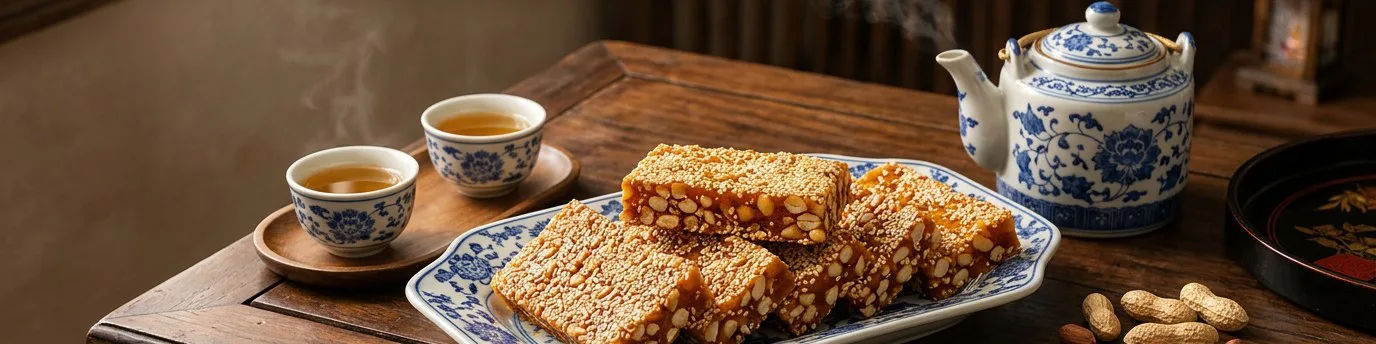
Traveling across the peaceful rice fields of the Red River Delta offers visitors a wonderful opportunity to explore local heritage through Thai Binh cuisine Cay cake. According to local folklore, this refined confection was once prepared specifically as a royal tribute presented to Vietnamese emperors. Made entirely from fragrant glutinous rice, orchard fruits, and aromatic herbs, the pastry embodies the pure, wholesome spirit of the northern countryside.
A Royal Tribute From Nguyen Village
Following Highway 10 from Thai Binh City toward Dong Hung Town and turning left onto Highway 39 brings travelers directly to Cay Cake Nguyen Village - Tours Village, the historic birthplace of this delicacy. While the commune is also respected for traditional weaving and folk performance arts, only its signature confection earned the honor of serving the royal court. Village elders still recount stories passed down through generations of imperial mandarins visiting the delta and selecting the finest boxes of Nguyen Village pastry to present to the king during major seasonal festivals.
Visitors hearing the name for the first time are often intrigued by The meaning of Name “Cay cake”. Some coastal legends connect the pastry to folk tales of the sea, while culinary historians point out that the finished slice—speckled with bright yellow, coral pink, and pearl white grains—closely resembles the tiny, colorful roe of the mud crab known locally as the con cay. Regardless of which legend inspires the listener, one fact remains indisputable: nowhere outside Thai Binh produces a confection with quite the same texture and balance of flavors.
Meticulous Stages of Traditional Preparation
Preparing an authentic batch requires remarkable patience and skill. Although aromatic glutinous rice serves as the primary base, the distinctive character comes from an abundant array of natural accompaniments, including ripe gac fruit, gardenia seeds, peanuts, sesame seeds, carrots, fresh ginger, tangerine peel, and cured pork fat.
1. Coloring and Crisping the Rice Base
Artisans divide the glutinous rice into separate portions before cooking. One portion is steamed with fresh red gac aril to create a vibrant coral hue, while the second portion is infused with gardenia fruit extract to achieve a warm golden yellow. Both batches are pounded into smooth dough inside a stone mortar, rolled flat, sliced into slender strips resembling candied winter melon, and gently dried. These dried strips are then flash-fried in hot fat until they puff into light, crispy ribbons.
2. Preparing Nuts, Spices, and Cured Fat
- Popped sticky rice: A third portion of whole golden flower glutinous rice is dry-roasted in a cast-iron pan until the grains pop into snow-white, fragrant blossoms with the husks cleanly removed.
- Roasted seeds: Locally grown peanuts and sesame seeds are toasted over low heat until crisp and nutty, then rubbed clean of their papery skins.
- Candied aromatics: Pork fat is cured in salt and sugar for more than fifteen days before being finely diced and simmered until translucent and crunchy, accompanied by sugar-braised carrots, zesty ginger juice, and shredded tangerine peel.
3. Blending and Molding the Finished Pastry
All prepared components are combined with golden malt syrup in a heavy pan over gentle heat, stirred continuously until the fragrance peaks and the caramel threads bind every grain together. The warm mixture is immediately transferred into wooden molds lined with toasted sesame seeds and compressed firmly. Without requiring sun-drying or oven-baking afterward, a properly pressed block stays fresh for months, showcasing the Tet flavor of Thai binh people-Cay cake. Browse our characteristics archive to learn more about the culinary traditions that make Thai Binh hospitality unforgettable.