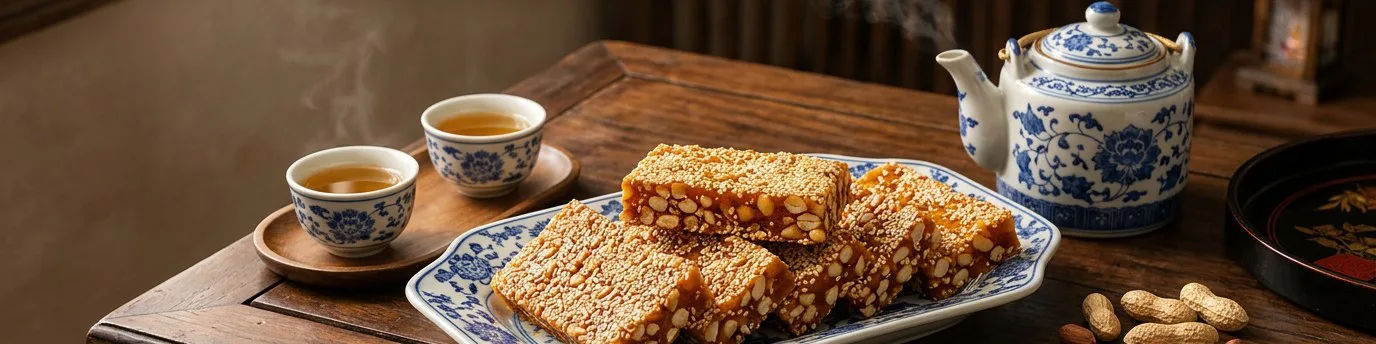
Banh Cay is one of the most cherished culinary specialties and traditional pastries of Thai Binh Province. Behind every square slice lies a rich cultural heritage: generations of village elders once crafted this delicacy as a royal tribute to the imperial court, placing it alongside the sacred Banh Chung during festive winter offerings. Preparing a delicious Thai Binh Cay cake recipe yields a pastry with a delightfully chewy texture, balanced sweetness, fragrant sticky rice, and nutty roasted sesame and peanuts. When you take a bite, you experience the harmonious blend of candied winter melon, shredded coconut, and the warming, aromatic spice of fresh ginger—a combination that reaches perfection when paired with a freshly brewed cup of mildly astringent green tea. Readers who appreciate the unforgettable flavor of traditional Cay cake often marvel at how humble farm ingredients can achieve such culinary sophistication.
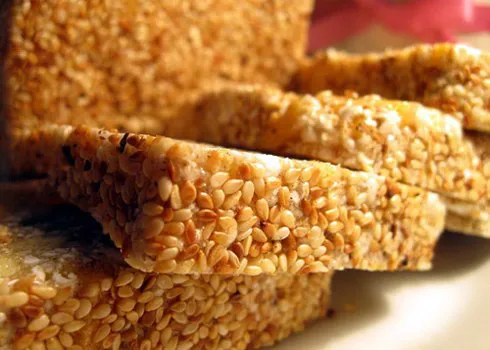
Essential Ingredients for Authentic Thai Binh Cay Cake
Crafting Banh Cay at home requires patience, careful timing, and attention to detail across multiple preparation stages. Before heating the wok or preparing the wooden molds, gather the following traditional ingredients measured for a classic family batch:
- Cured pork fat: 300 grams of firm pork back fat, marinated for fifteen days in advance with 300 grams of granulated sugar and 50 grams of sea salt until translucent.
- Golden blossom glutinous rice (Nep Hoa Vang): 1 kilogram of high-quality, aromatic sticky rice.
- Natural coloring fruits: 1 ripe gac fruit (spiny bitter gourd) for crimson hues and 5 ripe gardenia fruits (hat danh) for golden-yellow tones.
- Nuts and seeds: 100 grams of white sesame seeds and 200 grams of raw shelled peanuts.
- Aromatics and vegetables: 1 small knob of mature fresh ginger, the zest of 2 fresh tangerine peels, and 1 medium carrot.
- Sweetener: Cane sugar and golden malt syrup to bind the finished mixture.
Every ingredient plays a distinct structural and aromatic role. You can explore more regional preparation guides in our traditional cake-making archive to see how local families adapt these ratios for seasonal celebrations.
Step-by-Step Guide to Preparing the Pastry
Steps 1 to 4: Curing Pork Fat, Soaking Rice, and Roasting Nuts
Step 1: Prepare the candied pork fat. To achieve the authentic texture of Nguyen village pastry, you must marinate diced pork fat with salt and sugar for half a month prior to cooking. Once cured, dice the fat into small, even cubes. Place a heavy pan over medium heat and stir-fry the diced fat with a pinch of sugar until the cubes turn translucent, glossy, and crisp without scorching.
Step 2: Wash and soak the glutinous rice. Rinse the golden blossom glutinous rice thoroughly in cool water until the water runs clear, then leave it to soak overnight so the grains absorb moisture evenly.
Step 3: Roast the peanuts and sesame seeds. Toast the peanuts and white sesame seeds separately in a dry skillet over low heat until golden and fragrant. Once the peanuts cool, rub off their papery skins and lightly crush the kernels so they release their natural oils.
Step 4: Pop the roasted glutinous rice. Take a portion of dry glutinous rice grains and roast them in a cast-iron pan until the kernels pop open like tiny white blossoms, known locally as bong nep. Sift carefully to remove every trace of rice husk.
Steps 5 to 9: Coloring Dough, Frying Cay Eggs, and Pressing the Mold
Step 5: Simmer the candied carrot and aromatics. Dissolve sugar in a small bowl of cool water and press fresh ginger to extract its pungent juice. Heat a wok and stir-fry shredded carrots with the sugar syrup, finely julienned tangerine peel, and half of the ginger juice until the carrots become tender and translucent. Transfer the candied mixture to a plate to cool.
Step 6: Steam and pound the colored glutinous rice. Divide the soaked glutinous rice into two equal portions. Mix the first portion with fresh red gac aril pulp and infuse the second portion with warm water steeped with crushed gardenia seeds for a vibrant yellow hue. Steam both batches until tender, then immediately pound each batch in a stone mortar while still piping hot until smooth, elastic dough forms. Many artisans who study the traditional Cay cake making method emphasize pounding the rice while hot to guarantee a supple bite.
Step 7: Slice and dry the dough strips. Roll out the red and yellow glutinous rice dough into flat sheets, slice them into small matchstick pieces resembling candied winter melon or fiddler crab roe (trung cay), and air-dry them slightly so they hold their shape.
Step 8: Crisp the dough pieces in rendered lard. Heat rendered pork lard in a deep frying pan and gently fry the dried red and yellow dough bits, stirring continuously until they puff up crisp and fragrant. This crucial technique prevents the pastry from becoming soggy and gives the cake its signature crunch.
Step 9: Bind with malt syrup and press into wooden molds. Combine the crispy fried rice bits, popped rice blossoms, candied pork fat, caramelized carrots, roasted peanuts, tangerine zest, and remaining ginger juice in a large wok. Pour in warm malt syrup and sugar, stirring vigorously over low heat until every component is coated in glossy amber threads. Immediately transfer the hot mixture into rectangular wooden molds lined with toasted sesame seeds, pressing down firmly so the block compacts tightly.
This time-honored culinary craft is still celebrated annually at the ancestral temple dedicated to the creator of Cay cake in Nguyen Xa commune. Once cooled and sliced into neat bars, your homemade pastry is ready to serve. On chilly evenings, gathering with family and close friends around a steaming pot of green tea and a plate of fragrant, spicy Banh Cay creates a warm, unforgettable atmosphere that embodies the generous spirit of Thai Binh.