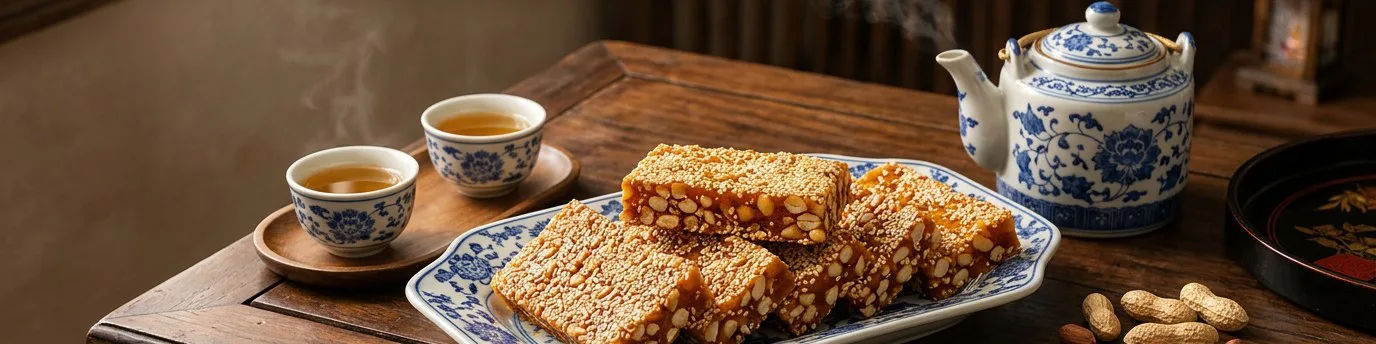
Across the fertile alluvial plains of the Red River Delta, Thai Binh is celebrated not only as a bountiful rice granary but also as the cradle of cherished culinary traditions. Whenever spring arrives, the unmistakable Tet flavor of Thai Binh Cay cake takes center stage as a meaningful festive gift that expresses sincere affection and pride in one's ancestral homeland.
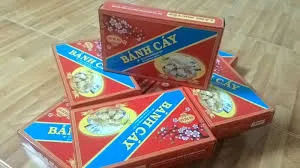
A Proud Culinary Emblem of the Rice Homeland
During the Lunar New Year, Vietnamese families take great pride in offering guests regional specialties that reflect the character of their birthplace. Just as Hanoi is famous for green rice flakes from Hang Than Street, Hai Duong for mung bean cubes, and Thanh Hoa for fermented pork rolls, residents of the "five-ton rice homeland" proudly present a confection crafted entirely from local harvests. Every spring, households across the province arrange neatly sliced platters of this golden pastry on the living room table to welcome visiting relatives and neighbors. In the crisp, misty drizzle of early spring days, sharing a slice alongside a steaming cup of green tea fills the room with the comforting warmth of fresh ginger and roasted peanuts.
Coastal Folklore and the Origin of the Name
First-time visitors often ask about The meaning of Name “Cay cake”, and rural folklore offers a fascinating explanation rooted in the brackish rivers and coastal flats of northern Vietnam. In the countryside, the small estuarine crab known as the con cay has long been a familiar part of daily life and childhood memories. Local villagers distinguish several varieties across the delta:
- Alluvial river crabs: Earth-toned crustaceans found along muddy riverbanks, traditionally gathered to prepare rich countryside soups.
- Wind crabs (Cay gio): Swift-footed coastal crabs famous in folk proverbs for darting into underground burrows at the slightest sound.
- Red-legged crabs: Smaller varieties prized in riverside villages for savoury roasted and salted dishes.
Residents of coastal districts understand the seasonal rhythms of these creatures better than anyone. Late spring and summer mark the breeding season when female crabs carry clusters of bright orange-yellow roe. When boiled and dried, these tiny eggs develop a rich, savory aroma and a speckled golden hue. Early village bakers noticed that their festive pastry—made from gac-dyed dough strips, gardenia-tinted rice, and popped white grains—mirrored the vibrant color and pebbled appearance of dried crab roe, inspiring the enduring folk name that remains in use today.
Harmony of Pure Agricultural Ingredients
Modern travelers Coming to Thai Binh to enjoy specialties from agricultural harvests quickly realize that the modern confection is purely plant-and-grain based, drawing its richness from rice, cane sugar, sesame, ginger, and orchard fruits. Understanding why Making Cay Cake is so delicious and tasteful requires appreciating how these rustic ingredients harmonize in every bite:
- Sweetness and warmth: Slow-simmered cane sugar and golden malt syrup blend with the gentle heat of freshly crushed ginger root.
- Nutty crunch: Dry-roasted peanuts, aromatic sesame seeds, and candied pork fat create a satisfying crispness against the chewy popped glutinous rice.
Together, these humble harvest staples capture what locals affectionately call "the fragrance of the immense fields." Whenever native sons and daughters travel afar or return to work in distant cities after the spring holidays, they always pack several boxes of this traditional sweet gift to introduce friends and colleagues to the generous, welcoming spirit of their low-lying delta countryside. Even if you have never once set foot in the province, tasting an authentic slice beside a hot ceramic teapot will make you fall in love with the peaceful land of rice paddies, jute fields, woven sedge mats, and rattan crafts celebrated in classic Vietnamese folk songs. Visit our characteristics archive for further stories on regional culinary heritage and festive customs.