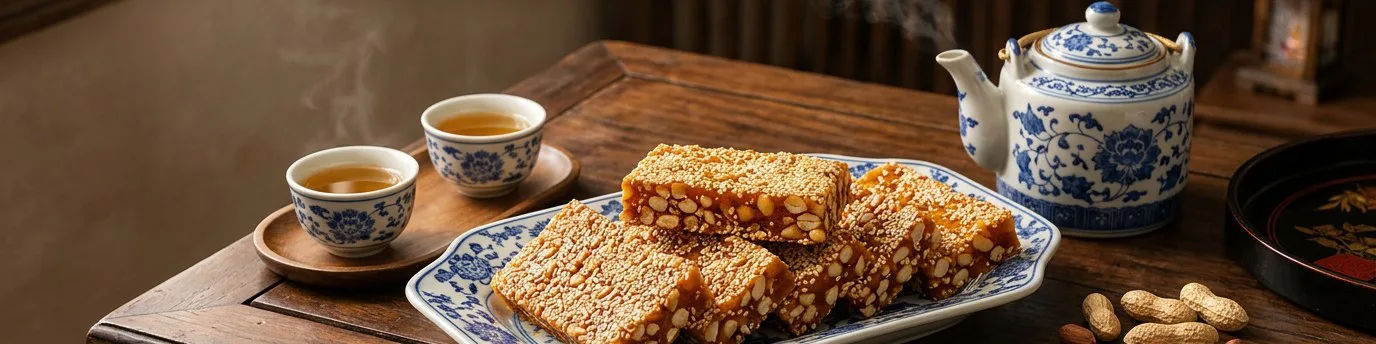
Joining Cay Cake Nguyen Village Tours offers travelers a remarkable opportunity not only to admire peaceful rural scenery, but also to step directly into traditional family workshops where artisans craft one of northern Vietnam's most celebrated royal delicacies. Visitors who explore this historic community can witness every step of the production process and even participate in shaping and pressing the fragrant confections by hand, creating an unforgettable cultural connection to the Red River Delta.
The Cultural Heart of Nguyen Xa Village in Dong Hung
Nguyen village, officially known as Nguyen Xa commune, is situated in the heart of Dong Hung District, Thai Binh Province. Throughout the centuries, while many neighboring settlements changed their administrative names across historical dynasties, the people of Nguyen village proudly preserved their original ancestral identity. Even though the commune today brings together many extended family lineages, residents share a deep sense of solidarity and communal pride rooted in their shared heritage along the fertile plains of the Red River Delta.
Located near a bustling rural crossroads in Dong Hung District, Nguyen village is equally famous across Vietnam as a cradle of traditional water puppetry. Alongside wet-rice agriculture, the Nguyen Xa water puppetry guild represents one of the oldest living folk performing arts in Thai Binh Province. Generations of farmers and craftspeople have kept both their theatrical traditions and their culinary artistry alive, turning a simple countryside visit into a rich cultural journey through our traditional cultural meaning archive.
Royal Origins and the Legacy of Lady Nguyen Thi Tan
Like many agrarian communities across the Red River Delta, wet-rice farming has always been the primary livelihood of Nguyen village residents. Blessed with fertile alluvial soil and favorable weather, local farmers harvest fragrant glutinous rice, golden peanuts, sesame seeds, and aromatic ginger every season. From these humble gifts of the land, talented villagers created a renowned delicacy known as Banh Cay (Cay cake), which was historically prepared to celebrate the Lunar New Year and honor royal ancestors.
According to village chronicles, this warm, spicy, and fragrant pastry was invented in the eighteenth century by Lady Nguyen Thi Tan, born in 1724 into the esteemed Nguyen Cong clan of Nguyen Xa village. Known from childhood for her intelligence and literary grace, she entered the royal court in 1739 and was later appointed to the prestigious position of Imperial Tutor and Consort, revered as Phu Nhan Chuong Giao. Surrounded by elaborate palace banquets yet longing for the comforting flavors of her homeland, she combined familiar village crops to create a new five-spice royal confection.
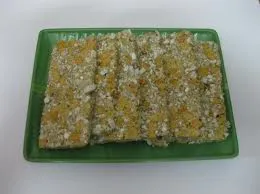
When she presented the delicacy to King Le Hien Tong, the monarch praised its harmonious blend of sweet, nutty, and warming ginger notes. Observing that the speckled golden, crimson, and creamy-white ribbons inside the sliced cake resembled the tiny roe of the coastal fiddler crab (known in Vietnamese as con cay), the King officially named the pastry Banh Cay. From that day forward, the confection became a treasured royal tribute cake offered during Tet festivities, and Lady Nguyen Thi Tan passed the secret recipe back to her hometown artisans so that families could share Cay cake as a meaningful gift for loved ones across generations.
Meticulous Ingredients and Six-Month Preparation Secrets
Despite its playful royal name, authentic Cay cake contains no seafood or crab roe whatsoever. Instead, the specialty relies entirely on premium plant-based harvests and carefully cured farm ingredients gathered right in Nguyen village. Understanding why making Cay cake is so delicious and tasteful begins with inspecting the raw components selected by master bakers:
- Golden-flower glutinous rice (Nep Hoa Vang): Divided into separate batches for roasting into popped rice flour and steaming with natural botanical dyes.
- Natural plant colorings: Ripe crimson gac fruit arils and golden gardenia fruit seeds provide vibrant, completely natural hues and subtle herbal aromas.
- Cured candied pork fat: Choice cuts of pork fat are finely diced and marinated in cane sugar for fifteen days until translucent, crisp, and delicately sweet.
- Aromatic spices and nuts: Freshly grated spicy ginger, candied winter melon (pumpkin jam), roasted peanuts, and hulled white sesame seeds bring warmth and crunch.
What truly sets traditional Nguyen village craftsmanship apart is the patience required to prepare the signature crunchy rice strips—the component villagers affectionately call the "con cay" or fiddler-roe pieces. Steamed glutinous rice colored with gac fruit and gardenia extract is pounded in stone mortars until smooth and elastic, rolled into flat sheets, sliced into slender matchsticks, and thoroughly sun-dried. Experienced elders often store these dried glutinous strips in sealed earthenware jars for up to six months before frying.
This extended resting period allows the inner moisture of the glutinous rice to equilibrate completely. When the aged strips are finally dropped into a cauldron of bubbling oil over a carefully regulated flame, they puff up immediately into light, porous, and airy crisps. If freshly dried strips were fried right away without curing, they would turn dense and hard rather than achieving the signature melt-in-your-mouth crunch that defines an authentic spicy and fragrant Cay cake from Thai Binh.
Popped Rice Flour, Wooden Molds, and Artisan Finishing
Meanwhile, a third portion of whole glutinous paddy is dry-roasted in cast-iron woks until the grains burst open into fragrant white blossoms known locally as hoa ne (popped rice flowers). Artisans winnow away every trace of husk, grind the popped grains into a fine, velvety powder, and fold it into simmering malt syrup infused with fresh ginger juice and cane sugar.
Once the golden syrup reaches the exact thread stage, master bakers briskly stir in the puffed crimson and yellow rice crisps, candied winter melon, translucent sugar-cured fat, and toasted peanuts. While the mixture is still piping hot and pliable, it is poured into heavy wooden molds lined generously with toasted sesame seeds. Artisans compress the confection firmly with wooden blocks so that every square inch binds together without air pockets, ensuring a uniform coat of fragrant sesame across the entire exterior.
In the final stage of a workshop tour, visitors watch skilled craftspeople unmold the warm slabs onto broad wooden cutting boards, slice them swiftly into neat rectangular bars with heavy cleavers, and wrap each piece in protective packaging. Sampling a freshly cut piece alongside a cup of steaming green tea right in the courtyard of a Nguyen village household remains the ultimate highlight of any culinary journey through Thai Binh Province.