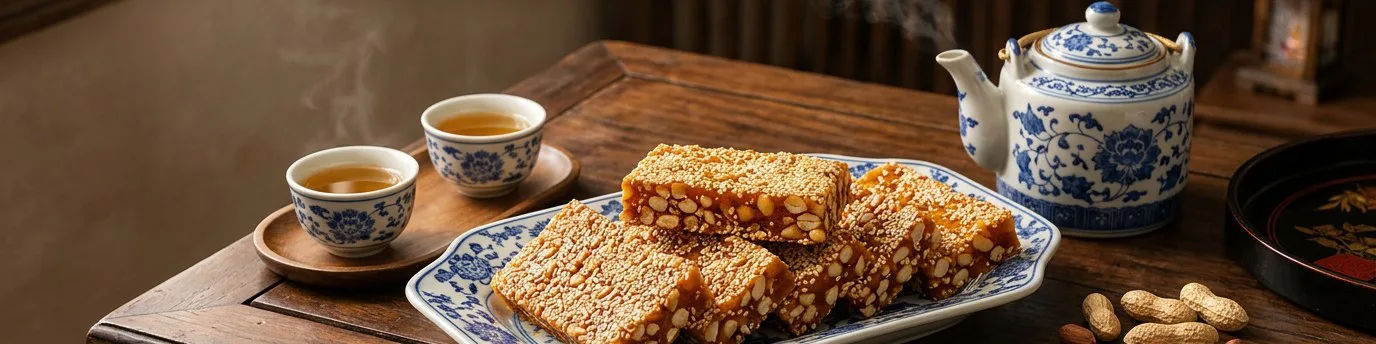
Thai Binh Province is widely admired not only for its centuries-old temples, vibrant seasonal festivals, and traditional folk dances, but also for its humble yet captivating rural cuisine. Among these local treasures, the iconic pastry of Nguyen village stands out because it brings together the finest agricultural specialties of Thai Binh in a single harmonious confection.
Why the Name "Banh Cay" Reflects Rural Ingenuity
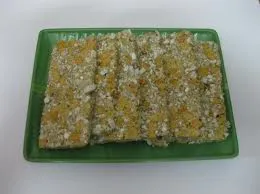
With its speckled blend of golden yellow, coral pink, and pearl white morsels, Banh Cay visually resembles the tiny clustered eggs of the estuarine fiddler crab (con cay). First-time visitors often assume the pastry contains seafood, yet in reality it is crafted entirely from botanical harvests and farm staples. This visual artistry reflects the deep bond between Red River Delta farmers and their surrounding environment, turning everyday crops into a chewy, fragrant delicacy that evokes the warmth of the countryside.
Farm-Grown Ingredients and Meticulous Craftsmanship
Behind every rectangular block of Banh Cay lies a demanding preparation process that honors the local harvest. Artisans begin by selecting premium Nep Hoa Vang (golden blossom glutinous rice) alongside ripe gac fruit, gardenia seeds, shelled peanuts, white sesame seeds, crisp carrots, fiery mature ginger, fresh tangerine peel, and cured pork fat.
- Three-way sticky rice transformation: The glutinous rice is divided into three portions. One portion is steamed with fresh gac pulp to achieve a natural crimson hue; the second is steamed with gardenia fruit extract for a bright golden shade; and the third is dry-roasted in cast iron until the grains burst into fragrant white blossoms, with every husk carefully sifted away.
- Creating the crispy morsels: Both colored sticky rice batches are pounded smooth in a mortar, sliced into thin strips resembling candied winter melon, dried, and fried until crisp.
- Roasting and candying farm produce: Peanuts and sesame seeds are slow-roasted and peeled by hand. Pork fat is cured in salt and sugar for fifteen days before being diced and sautéed until translucent and crisp, while shredded carrots are simmered in cane sugar and fresh ginger juice alongside aromatic tangerine zest.
Once all components are prepared, the baker blends them with golden cane sugar and malt syrup over low heat, then presses the warm mixture into sesame-lined wooden molds of various sizes. Studying the historical development of the Cay cake craft reveals how generations of Nguyen village families refined this exact balance of heat and pressure so the pastry remains supple and tender rather than hard or overly sweet.
Cultural Value and Everyday Enjoyment
Because of its rich concentration of warming ginger and roasted grains, this special Thai Binh Cay cake is especially cherished during chilly winter days and early spring gatherings. Across the province and beyond, the pastry serves several enduring cultural roles:
- It is presented as a thoughtful, authentic hometown gift for visiting friends and distant relatives.
- Its balanced, moderate sweetness makes it a favorite treat for both older generations and young children.
- Families place Cay cake on Tet ancestral altars in Thai Binh to honor their forebears during major holidays.
- Packed with wholesome grains, nuts, and natural plant pigments, it provides sustained energy and nutrition.
- Paired with a steaming pot of green tea, it creates a cozy, welcoming atmosphere for family conversations.
To explore more stories about how local ingredients shape the identity of this pastry, visit our traditional characteristics archive.