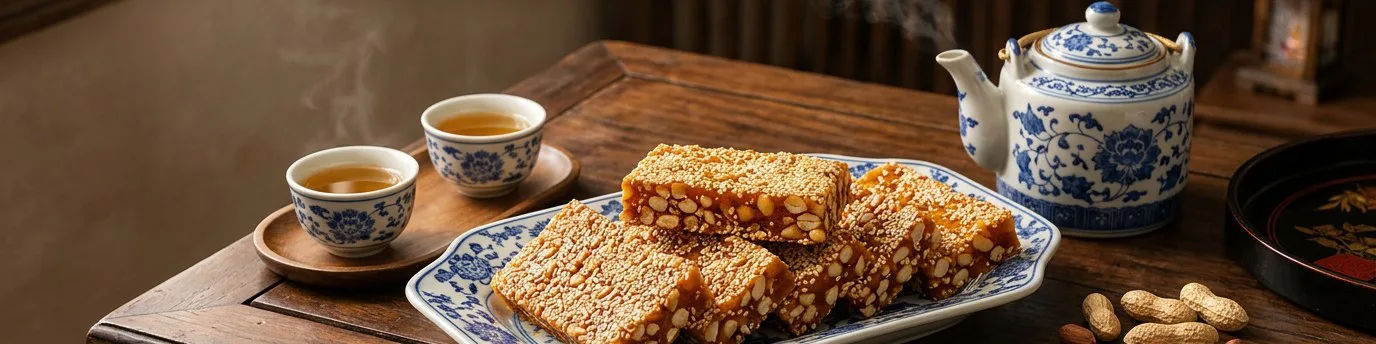
Whenever travelers speak of Thai Binh, their thoughts naturally turn to endless emerald rice paddies, the sacred halls of the Tran Temple complex, and the ancient wooden architecture of Keo Pagoda. Yet there is another cultural treasure that leaves an equally lasting impression on every visitor: the warm, nostalgic taste of Thai Binh homeland Cay cake, the signature culinary gift of Vietnam's famous "five-ton rice granary."
A Welcoming Gateway to Nguyen Xa Commune
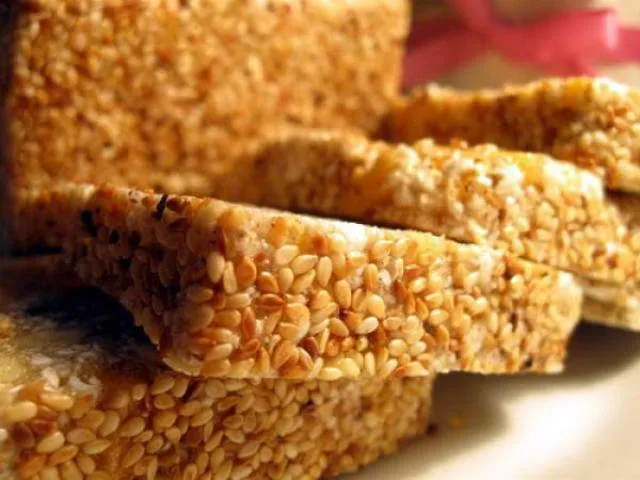
Crossing the river boundary from Nam Dinh into Thai Binh requires no highway billboards to announce your arrival. The bustling rows of specialty confectionery shops lining the main road immediately welcome travelers to the province. The most celebrated packages originate from the skilled hands of villagers in Nguyen Village, Nguyen Xa Commune, Dong Hung District. Driving roughly ten kilometers from Thai Binh City along Highway 10 before turning onto Highway 39 brings guests straight into Nguyen Village—revered nationwide both as a historic cradle of Vietnamese water puppetry and as the ancestral home of Specialties Cay cake Thai Binh once presented to royal courts.
Legends of the Royal Court and the Coastal Spirit
Village elders recount that families in Nguyen Xa originally prepared this festive pastry centuries ago to celebrate seasonal holidays. According to local chronicle, during the Canh Ty year, a high-ranking imperial mandarin passed through the commune on an official inspection tour.Touched by the villagers' hospitality when they offered him plates of their homemade confection, the mandarin brought several boxes back to the capital to present to the emperor. Delighted by the harmonious blend of chewy rice and warming ginger, the monarch praised the pastry and inquired about its name. Because of its distinctive ginger warmth, the court initially knew it as "spicy cake" (banh cay), and its reputation quickly spread across the kingdom while the village craftswoman received royal recognition.
Another poetic folk tale adds a coastal dimension to the name. Villagers tell of the devoted baker experiencing a vivid dream in which a mother sea crab (con cay) embraced its young beside the waves. Moved by the vision, she journeyed toward the coast, where local lore says the waters parted gently as she passed into legend. In memory of her devotion and the speckled golden-orange hue of the fried dough ribbons, residents forever cherished the confection as Banh Cay—a gift uniting the bounty of the fields with the spirit of the sea. Over the centuries, it has blossomed into the quintessential Cay cake-the flavor of Spring across the Red River Delta.
The Art of Balancing Grains, Fruit, and Spice
Crafting an authentic batch demands meticulous attention across multiple stages, beginning with the selection of premium agricultural ingredients:
- Three-part glutinous rice preparation: Artisans select fragrant golden flower sticky rice and divide it into three distinct portions. The first portion is steamed with crimson gac fruit pulp; the second is infused with golden gardenia seed water; the third is dry-roasted in a heavy pan until the grains pop open into snowy, husk-free blossoms. Both colored rice portions are pounded smooth in mortars, sliced into thin ribbons like candied winter melon, dried, and fried until crisp.
- Nuts, cured fat, and aromatics: Locally harvested peanuts and sesame seeds are slow-roasted and rubbed clean of their skins. Pork fat is cured with salt and sugar for fifteen days before being diced and simmered until translucent and crunchy, while shredded carrots and fresh tangerine peel are braised with sugar and fragrant ginger juice.
Pressing the Wooden Molds and Savoring With Tea
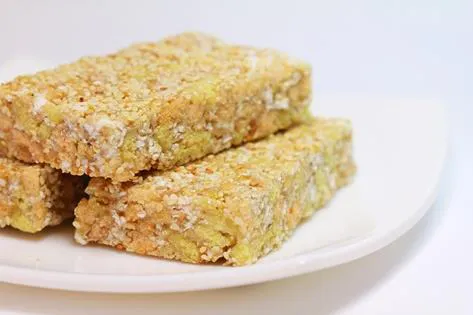
Once every component is ready, the master baker blends the ingredients with cane sugar and malt syrup in a warm pan until aromatic threads bind the mixture together. The warm mass is poured into rectangular wooden frames lined generously with toasted sesame seeds and compressed firmly into solid blocks. Although modern mechanical mixers and presses now assist with heavy labor, Nguyen Village artisans still rely on generational intuition to balance the sweetness and moisture so the cake remains chewy, fragrant, and naturally preserved without oven drying.
A truly exceptional slice of Spicy and fragrant Cay cake Thai Binh offers gentle elasticity, moderate sweetness, nutty sesame aroma, rich coconut, candied winter melon, and the unmistakable warmth of fresh ginger. Every rectangular block represents the crystallization of fertile delta soil, morning dew, and the sincere devotion of rural craftspeople who have preserved their culinary identity across centuries. When chilly winter winds sweep across the northern plains and family members, old comrades, brothers, or lifelong friends gather around a steaming pot of fragrant green tea, sharing a plate of freshly cut pastry brings a deep sense of gratitude for the patient, hardworking soul of the countryside. Explore our characteristics archive to discover more stories about Thai Binh culinary artistry.