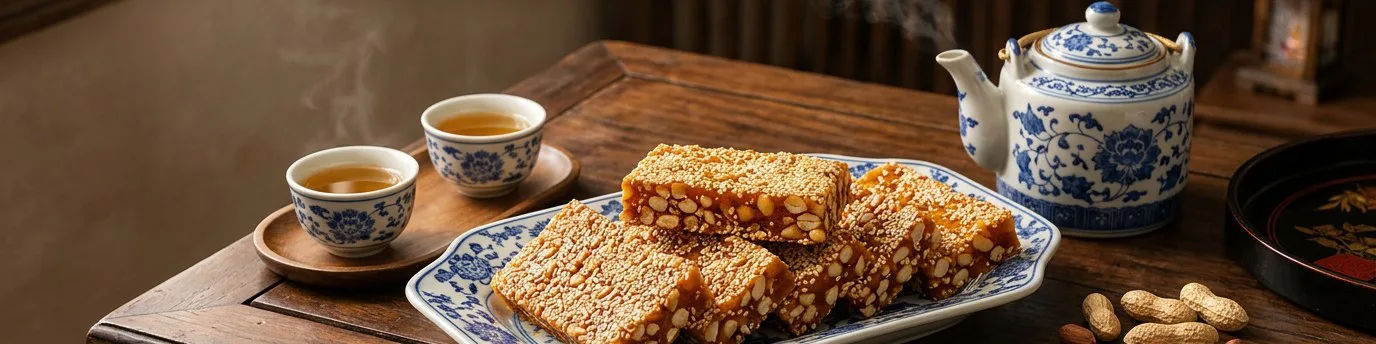
Whenever travelers speak of Thai Binh, they envision endless green rice paddies where white storks fly with outstretched wings, welcoming rural communities, and time-honored culinary traditions passed down through centuries. Exploring Thai Binh agricultural specialties and Cay cake offers an unforgettable journey into the heart of the Red River Delta, where humble farm harvests are transformed into iconic local treasures such as Nguyen village Cay cake, crisp Bo guava, and fragrant thorny leaf cakes.
Nguyen Village Cay Cake: Royal Heritage from the Rice Paddies
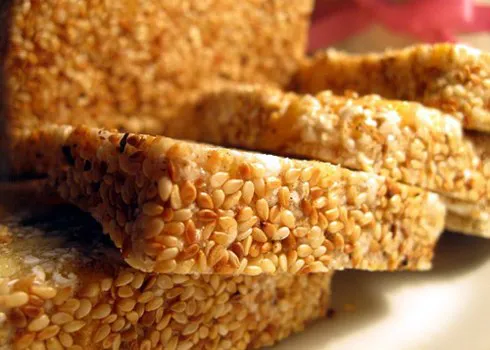
Since feudal times, the signature confection of Nguyen village in Nguyen Xa commune, Dong Hung district, has been celebrated as a royal tribute presented to emperors at the imperial court. Praised by kings for its refined balance of textures and warming spice, the pastry's fame has spread far beyond provincial borders while remaining deeply rooted in local wet-rice agriculture. Crafted by the deft hands of village artisans, its distinctive Thai Binh Cay cake features come from combining familiar farm crops into a chewy, crisp, and aromatic treat that delights every generation.
Anyone passing through Nguyen village will remember the comforting aroma of golden flower sticky rice mingling with toasted sesame and roasted peanuts in warm courtyard workshops. Dyed exclusively with natural plant extracts rather than synthetic colors, authentic bars combine golden flower glutinous rice, ripe red gac fruit, gardenia seeds, roasted groundnuts, white sesame, sugar-cured pork fat, candied coconut, winter melon jam, and golden maltose syrup. Because each ingredient requires its own specialized treatment—as detailed in our guide to the traditional Cay cake making method—the finished bar remains the most cherished Tet holiday gift of Thai Binh people.
Bo Village Guava: A Crisp Treasure of Alluvial Soil
Alongside artisan pastries, another emblem of Thai Binh agricultural specialties and Cay cake culture is the famous Bo guava. Although guava trees grow in almost every Vietnamese village, genuine Bo guava cultivated in the riverside alluvial soil of Bo village possesses a flavor and crispness unlike any other variety in the delta. Harvested primarily during its peak July season from carefully tended orchards, Bo guava owes its reputation to unique brackish-sweet silt soil and meticulous traditional cultivation methods preserved by local gardening families.
How Local Farmers Cultivate and Savor Bo Guava
Local growers select seedlings only from mature, vigorous parent trees that bear compact, goose-bumped fruit during the summer rains. To nourish the orchards naturally, farmers dry nutrient-rich pond mud in the sun, break it into fine crumbs, and blend it with organic compost around the roots. This patient care produces small, palm-sized guavas with thin green skin, dense creamy flesh, and remarkably few central seeds. You can read more about regional produce across our local specialty characteristics archive.
Even harvesting and eating Bo guava follow rustic village customs: growers pick only fruit from mid-canopy branches that neither touch the damp ground nor bake at the very top of the tree. Rather than slicing the fruit with a steel knife—which locals note can heighten sourness—connoisseurs bite directly into the crisp whole guava. An initial gentle astringency on the tip of the tongue quickly gives way to a refreshing tang and a lingering, cool sweetness that captures the pure agricultural soul of the Thai Binh countryside, reminding distant travelers of their peaceful rice-farming homeland across the seasons.