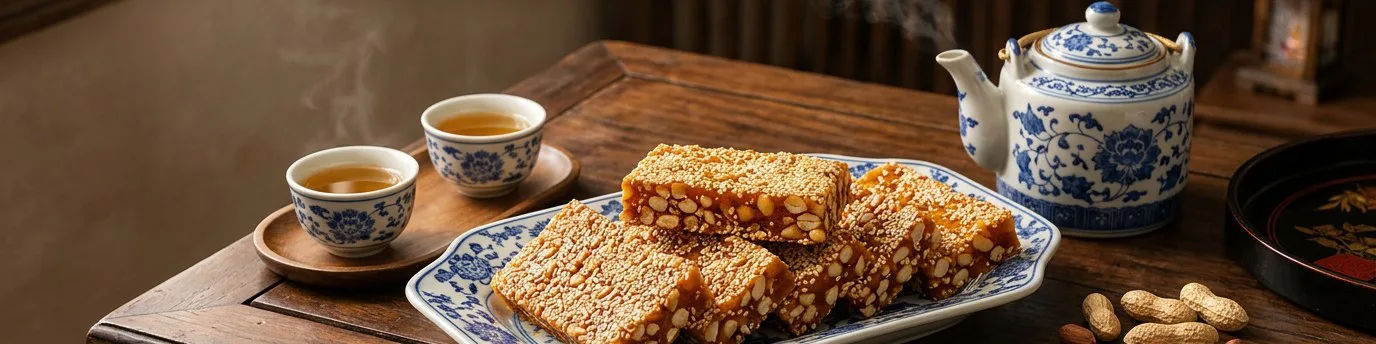
According to folk oral traditions, the Nguyen family genealogy, and historical studies such as Nguyen Village Culture by Nguyen Huy Hong and Mother Goddesses of Thai Binh by Pham Minh Duc and Bui Duy Lan, Cay cake ancestor Nguyen Thi Tan—affectionately known by villagers as Lady Cu Dai—is revered as the founding matriarch of the traditional Banh Cay baking craft in Dong Hung District, Thai Binh Province. Visitors who explore our cultural meaning and heritage archive quickly discover how deeply her legacy shapes the spiritual life of the Red River Delta countryside.
Early Life and Royal Service in the Imperial Citadel
Nguyen Thi Tan was born on January 13, 1725, into a scholarly and distinguished family in Nguyen Village, now part of Nguyen Xa Commune. Her father, Nguyen Doan Tuc, passed three prestigious imperial examinations and served the royal court with honor and integrity. From childhood, she was admired throughout her community for her modesty, practical culinary skill, and gentle demeanor. At the age of sixteen, she accompanied her father to the imperial capital of Thang Long. Recognizing her refined eloquence, musical talent, and culinary creativity, King Le Hien Tong appointed her to instruct princesses and royal consorts inside the palace, eventually naming her governess and royal nursemaid to Crown Prince Le Duy Vy.
Devotion in Adversity and the Birth of a Royal Confection
In the third lunar month of the Year of the Ox (1769), political tensions within the court led Lord Trinh Sam to unjustly imprison Crown Prince Le Duy Vy. During this harsh confinement, only his loyal nursemaid, Nguyen Thi Tan, was permitted to bring him daily provisions. Realizing that the plain prison rations were virtually inedible and wishing to restore the prince's strength, she drew inspiration from the rustic che lam (glutinous rice ginger cake) of her native Thai Binh homeland. She combined roasted glutinous rice, warm ginger juice, sesame seeds, peanuts, and natural fruit colorings into a nourishing, fragrant confection. The prince praised the pastry for its remarkable warmth and texture, which later inspired the unforgettable flavor of traditional Cay cake celebrated across northern Vietnam.
Returning the Craft to Nguyen Village and Eternal Veneration
When her secret culinary ingenuity was discovered by guards, Nguyen Thi Tan was briefly detained, yet she regained her freedom in 1782 following changes in the court administration. Later, when Prince Le Duy Vy's son ascended the throne as King Le Duy Ky (Emperor Le Chieu Thong), he honored her unwavering loyalty and bestowed royal titles recognizing her devotion as a great imperial mentor. Choosing a quiet life in her later years, she returned to Nguyen Village and taught local families how to prepare phoenix rolls and hand-pressed Banh Cay. Understanding the distinctive characteristics of authentic Cay cake helps modern food lovers appreciate the precision she instilled in every step of the recipe. After she passed away, villagers erected an ancestral shrine and memorial tomb in Nguyen Xa, where artisans and travelers still gather to burn incense before enjoying Thai Binh Cay cake with hot green tea during spring festivals.