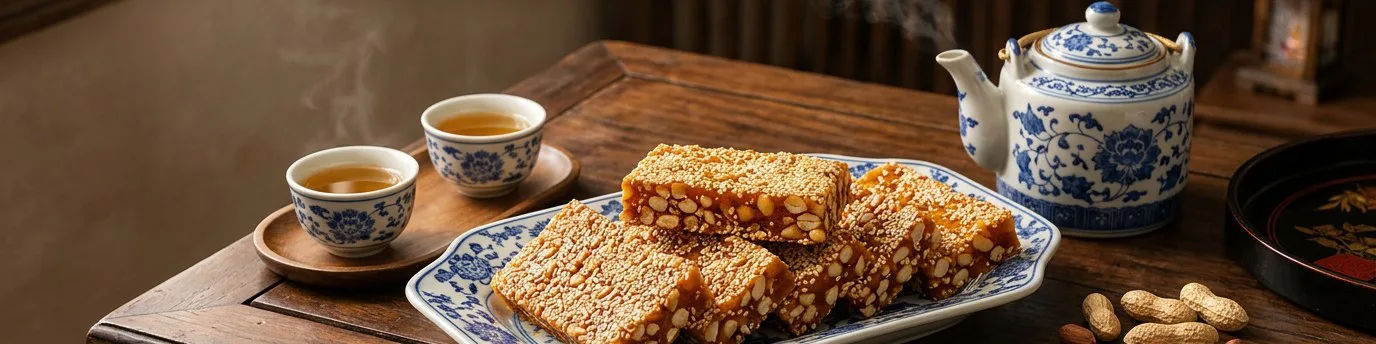
Vietnam, recognized as one of the world's ancient cradles of wet-rice civilization, has cultivated a remarkable treasury of culinary specialties drawn from its fertile river deltas, coastal plains, and lush mountain valleys. Nearly every traditional dish carries a folkloric tale steeped in humanistic philosophy and gratitude toward nature. Just as Prince Lang Lieu during the reign of the Sixth Hung King created square banh chung and round banh day from fragrant sticky rice, mung beans, and pork to symbolize the harmony of heaven and earth, the unforgettable flavor of Cay cake preserves a timeless legend of devotion, ingenuity, and rural pride.
The Legend of the Eighteenth Hung King and the Country Girl
According to cherished folk narratives passed down through generations in the Red River Delta, the origin of this specialty dates back to the era of the Eighteenth Hung King. The monarch wished for his youngest prince to marry the daughter of a prominent court general. However, during his travels across the lowland plains—present-day Dong Hung district in Thai Binh province—the young prince fell deeply in love with a gentle, hardworking village maiden.
Reluctant to approve the union, the king issued a demanding royal challenge: the couple could wed only if they created a new festive pastry that expressed the spiritual harmony between heaven, earth, and agricultural labor. Determined to fulfill the king's decree, the prince and the maiden experimented tirelessly throughout the winter months. On an early spring morning, they presented the royal court with a rectangular confection half the thickness of traditional banh chung, glowing with natural colors drawn from garden fruits and blossoms.
Because the speckled orange, crimson, and creamy-white cross-section of the sliced pastry resembled the tiny roe of coastal fiddler crabs (known in Vietnamese as con cay), the maiden named her creation Cay cake. Captivated by its chewy crunch and warming ginger finish, the king blessed their marriage and granted the couple permission to remain in the delta plains, where they taught local farmers improved cultivation techniques and passed down their treasured traditional Cay cake making method.
Artisanal Mastery in Heroic Nguyen Village
While many rural communities across the northern delta prepare sweet rice confections for the Lunar New Year, only Dong Hung district in Thai Binh—and specifically the historic Nguyen village—maintains dedicated, year-round production. Celebrated in modern history for its resilience and cultural heritage, the community has elevated the Cay cake of Nguyen village in Thai Binh into an iconic national gift.
Creating the unforgettable flavor of Cay cake requires patience and uncompromising ingredient selection:
- Golden Flower Glutinous Rice: Part of the grain is dry-roasted until it pops into airy white blossoms, while the rest is steamed, pounded, and tinted naturally with crimson gac fruit and golden gardenia seeds before being sliced into slender bars and crisped in oil.
- Malt Syrup and Candied Preserves: Pure barley malt syrup is simmered over a gentle flame with candied winter melon, shredded coconut jam, and translucent sugar-cured pork fat until it reaches a glossy, elastic consistency.
- Aromatic Seeds and Ginger: Peeled roasted peanuts, toasted sesame seeds, and freshly grated ginger are folded into the warm malt mixture before it is pressed into sesame-lined wooden molds.
A Sacred Offering on the Spring Ancestral Altar
Once cooled and unmolded, the firm cake is cut into neat rectangular bars and sealed in protective packaging. During the Lunar New Year (Tet) and family anniversaries, boxes of authentic Thai Binh specialty Cay cake are placed respectfully beside green square rice cakes and five-fruit trays on ancestral altars, creating a warm, nostalgic atmosphere deeply rooted in Vietnamese memory. To learn more about the spiritual role of local cuisine, visit our cultural meaning and traditions archive.
Today, visitors crossing Tan De Bridge into Thai Binh city are greeted by bustling roadside storefronts showcasing freshly packaged confections from Nguyen village. Blending ancient legend with modernized food safety standards, the artisans of Dong Hung continue to share the unforgettable flavor of Cay cake as an enduring emblem of Vietnam's wet-rice civilization.