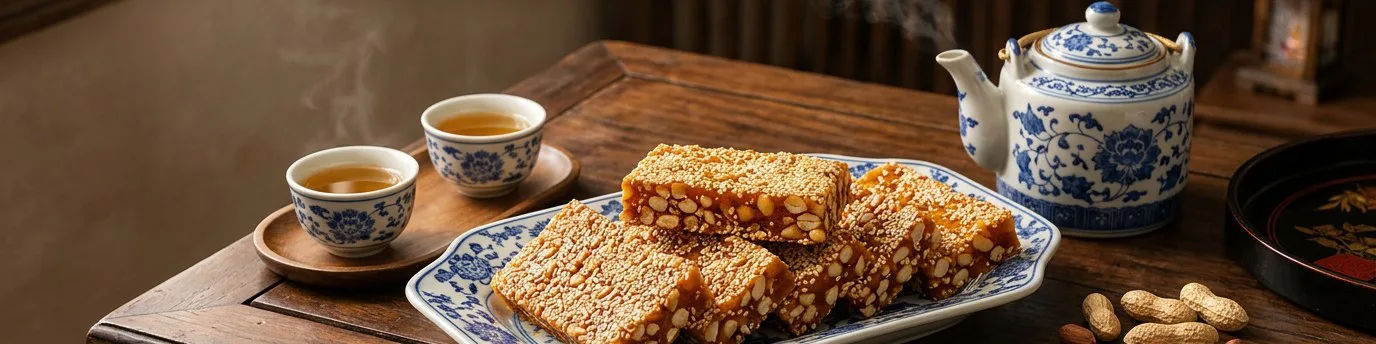
Crafted by the skilled hands of rural artisans in Nguyen Xa Commune, Dong Hung District, the Cay cake Nguyen Thai Binh specialty holds a distinguished place in Vietnamese culinary history. When sliced into neat rectangular bars and served alongside a pot of steaming green tea, this traditional pastry offers a delightful interplay of textures—crisp popped rice, tender candied pork fat, crunchy roasted peanuts, and chewy malt syrup infused with spicy fresh ginger. During the cold winter months of northern Vietnam, a single piece warms the palate and awakens the senses. Readers can learn more about the defining qualities of this confection in our traditional characteristics archive.
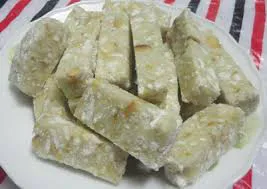
From Village Kitchens to the Royal Court
Centuries ago, during the Later Le Dynasty, Lady Nguyen Thi Tan—a native of Nguyen Village who served as an imperial consort and royal tutor—experimented with local grains and orchard ingredients to create a novel pastry for King Le Hien Tong. Impressed by its vibrant colors, warming ginger aroma, and balanced sweetness, the monarch praised the creation and designated it an official royal tribute from Thai Binh. Even today, travelers who join cultural tours through Nguyen Village can visit the historic temple where villagers honor her enduring contribution to their homeland.
Botanical Colors That Resemble Fiddler Crab Roe
Because the Vietnamese word cay means fiddler crab, many first-time tasters assume that this pastry is made from river crustaceans. In reality, the confection is entirely plant- and grain-based, drawing its distinctive red, yellow, and creamy-white hues from natural countryside harvests:
- Golden Flower Glutinous Rice (Nep Hoa Vang): Divided into separate batches—one steamed with ripe red gac fruit aril for a coral-red tint, another infused with crushed gardenia seeds for a bright golden hue, and a third roasted in cast-iron pans until the grains pop into white blossoms.
- Sugar-Cured Pork Fat and Candied Melons: Translucent cubes of pork fatback are marinated in sugar and salt for over two weeks before being simmered until crisp and crystal-clear, then paired with candied winter melon and sautéed carrot ribbons.
- Toasted Nuts and Citrus Aromatics: Locally grown peanuts and hulled sesame seeds are dry-roasted until fragrant, while fresh ginger juice, grated tangerine peel, and pomelo blossom oil provide a refreshing aromatic lift.
Artisanal Technique and Natural Preservation
What sets this special Cay cake of Thai Binh apart from ordinary rice candies is the meticulous treatment of each component before assembly. The colored glutinous rice cakes are pounded in stone mortars, rolled into thin sheets, sliced like ribbons of jam, dried, and briskly fried in rendered fat until they puff into light, crispy pellets. Meanwhile, the remaining golden flower glutinous paddy is dry-roasted until the husks split open into fragrant white popcorn-like blossoms, which are carefully sifted to remove every trace of chaff.
Devotion Wrapped in Every Slice
When all the prepared ingredients are folded into slow-simmered barley malt syrup over a low fire and compressed firmly into sesame-lined wooden molds, the finished bars require neither sun-drying nor oven baking after molding. Because every single component has been thoroughly dehydrated, candied, and roasted beforehand, the Cay cake Nguyen Thai Binh specialty stays fresh, crisp, and fragrant for months at room temperature. Witnessing the patient labor of Nguyen Village artisans reveals how deep cultural pride and affection for the Red River Delta countryside are preserved in every warming, ginger-scented slice shared over hot green tea.
Beyond its historical prestige in the imperial court, the pastry remains an everyday symbol of family warmth and neighborly solidarity across Dong Hung District. Whenever guests arrive from afar or relatives gather for ancestral anniversaries, hosts proudly arrange thin slices of the golden-and-coral confection on porcelain plates beside freshly brewed green tea. The contrast between the slightly astringent tea leaves and the rich, ginger-spiced sweetness of roasted glutinous rice creates a lingering harmony on the tongue, reminding every visitor why this humble village creation earned the admiration of Vietnamese monarchs centuries ago.
To learn more about our editorial curation and research standards, visit our comprehensive site mission and archive overview.