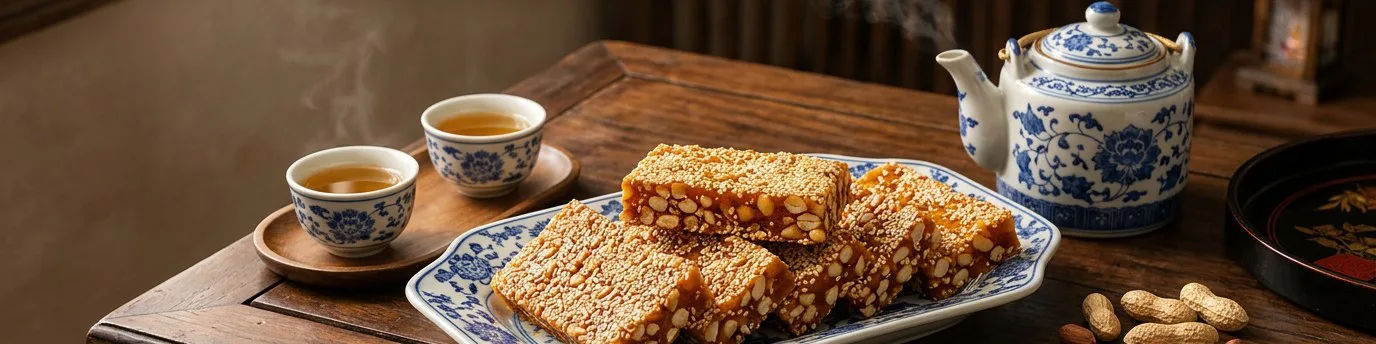
For anyone born and raised on the fertile alluvial plains of the Red River Delta—where white storks glide over endless green paddy fields and a mother's lullaby echoes through quiet bamboo groves—the flavors of childhood never fade. Living, studying, and working far away in poetic Hue among imperial citadels, royal tombs, and refined central Vietnamese cuisine only deepens that quiet longing for home. In moments of homesickness, remembering Cay cake Thai Binh brings back the unmistakable warmth of the northern countryside. You can read more stories from local writers in our community news and reflections archive.
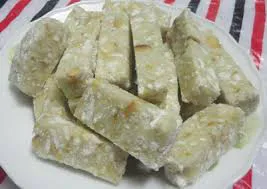
The Culinary Emblem of the Five-Ton Rice Homeland
Mention Thai Binh Province and travelers immediately think of vast golden rice harvests, the sacred Tran Dynasty Temple, and the centuries-old wooden architecture of Keo Pagoda. Yet in the realm of everyday culinary culture, no dish represents this land more vividly than Banh Cay. Every province across Vietnam cherishes its own signature specialty: Hanoi is celebrated for green rice flakes (Com Vong) and Cha Ca La Vong, Hai Duong for mung bean cakes, Thanh Hoa for fermented Nem Chua, Ha Tinh for Cu Do peanut brittle, and Hue for chewy Me Xung sesame candy. For natives of Dong Hung and the surrounding districts, travelers coming to Thai Binh to enjoy agricultural specialties always discover that Banh Cay is the proudest gift of the rice homeland.
Folk Stories Behind a Memorable Name
Whenever friends in distant provinces receive a box of this pastry, their first question is almost always about its name. Two charming folk explanations have been passed down by village elders:
- The Coastal Fiddler Crab Legend: According to one traditional tale, small freshwater fiddler crabs (con cay)—smaller than field crabs and remarkably swift—thrive along the mudflats and riverbanks of Thai Binh. In late spring and summer on moonlit nights, villagers once caught roe-bearing crabs, steamed their rich golden eggs, or crafted fried glutinous rice pellets tinted orange and yellow to mirror the speckled appearance of crab roe.
- The Spicy Ginger Etymology: Another popular explanation points to the Vietnamese word cay (meaning spicy or pungent). Because the confection carries a bold, warming kick of fresh ginger root, locals originally called it "spicy ginger cake" (banh cay), which over generations of regional pronunciation softened into Banh Cay.
A Harmony of Flavors on Chilly Holiday Evenings
Whatever the origin of its name, discovering why making Cay cake is so delicious and tasteful comes down to the extraordinary marriage of local ingredients. Popped golden flower glutinous rice, crispy gac-and-gardenia dough nuggets, sugar-cured pork fatback, roasted peanuts, hulled sesame seeds, and shredded ginger are bound together in slow-cooked malt syrup and dusted with a light layer of toasted rice flour to prevent sticking. During the cold drizzle of the Lunar New Year, enjoying Thai Binh Cay cake with hot green tea fills the room with joy. The sucrose sweetness of malt, the gentle heat of ginger warming the throat, and the crisp crunch of roasted grains linger long after the teacup is empty.
An Indispensable Gift Across the Miles
Every time a native of Thai Binh returns from a visit home to Hue or southern Vietnam, colleagues and neighbors eagerly ask whether they brought back a few boxes of Banh Cay. Although several other northern localities attempt to make similar rice candies, none quite match the depth of flavor achieved in Nguyen Xa Commune—thanks to the mineral-rich alluvial soil that yields exceptionally fragrant golden flower sticky rice, plump peanuts, and aromatic ginger. For those living far away, remembering Cay cake Thai Binh is more than culinary nostalgia; it is a tangible thread connecting every distant traveler back to the warmth, generosity, and enduring pride of their ancestral village.
Keeping the Tradition Alive in Distant Cities
Whenever boxes of Nguyen Village pastry arrive in Hue, Da Nang, or Saigon, they quickly become the centerpiece of small gatherings among fellow natives of Thai Binh and curious local friends alike. Brewing a pot of strong northern green tea, unwrapping the familiar crimson-and-gold paper, and slicing the sesame-crusted bar evokes memories of bustling rural markets in Dong Hung during the final days of the twelfth lunar month. Even those who have never set foot in the Red River Delta can immediately appreciate the artisanal care behind the confection—how the candied pork fat remains light and translucent without feeling greasy, how the popped golden flower paddy stays remarkably crisp inside the malt binder, and how the aromatic ginger warms the chest on a rainy evening. Through every shared slice, the culinary heritage of Thai Binh travels across hundreds of miles, turning distant living rooms into a welcoming corner of the rice homeland.